
How We Add ValueAsset Management

Asset Management

We follow a thematic investing approach to Vietnam’s build-out. We back three long-run shifts the national master plans commit to, and back the assets each one needs, from operating concessions to new platforms.

  1. 01 · Theme

    Energy transition

    Grid, renewables and storage under Power Development Plan VIII.

  2. 02 · Theme

    Connectivity

    Expressways, ports and logistics along the north–south corridor.

  3. 03 · Theme

    Digital backbone

    Data centres, fibre and the power that serves them.

What we do

Directing capital to build Vietnam.

Vietnam's build-out is moving from state balance sheets to private capital. Roads, power, ports and data capacity are changing hands as SOEs divest, provinces tender concessions and first-generation owners recycle capital.

Corvus finds those assets, structures them for investment and brings investors to the table, then stays involved after closing: on the board, in the operating plan and in reporting to investors.

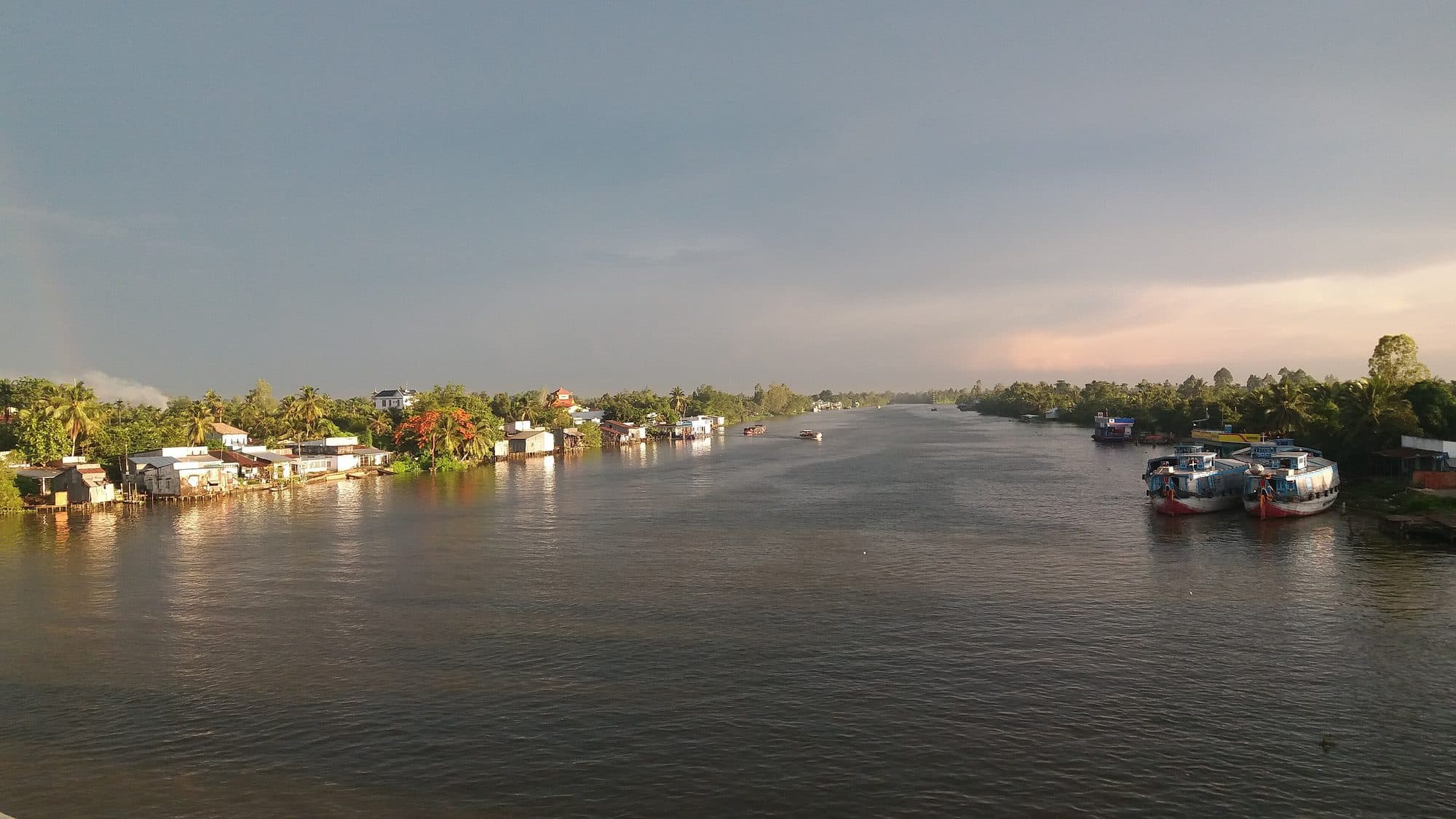
Cargo boats on the Cái Côn river between Sóc Trăng and Hậu Giang
Cái Côn river, Mekong Delta. Photo: TUIBAJAVE, CC BY-SA 4.0
Nguyễn Đức Đạt
Vietnam will build more infrastructure this decade than in the last three. Our job is to put long-term capital behind the right assets early, and to work every day with equal velocity.
Nguyễn Đức ĐạtFounder, Corvus Industries
Meet our leadership

Our approach

Being on the ground in Vietnam lets us see opportunities early, often before an asset is offered to the wider market, when price and terms are still open. We structure each one for its investors and stay involved through to exit.

  • Find the asset early

    Long-standing working relationships with developers, state-owned enterprises and local authorities bring us opportunities before a formal sale process. Each one is tested against Vietnam’s approval rules and tariffs before we commit.

  • Structure for capital

    Holding structures, governance rights and financing set up for our investors from the first term sheet.

  • Own it actively

    We manage each asset with care: a seat on the board, a clear operating plan and regular reporting. Capex, refinancing and the timing of exit are paced to the market cycle, not forced to a fixed date.

Our sectors

Power and energy transition

Generation, grid and storage

Vietnam’s revised power plan calls for a step change in renewables, transmission and battery storage this decade. We look at operating solar and wind with settled tariffs, storage added to contracted assets, and the grid connections that both depend on.

Power investment planned, 2026–30
$136.3bn
Revised PDP8 via Vietnam Briefing
Storage required by 2030
10–16.3 GW
Revised PDP8 via Vietnam Briefing
Transport

Expressways, ports and airports

The national expressway network has nearly tripled since 2020 and the southern gateways are being rebuilt around Long Thanh and Can Gio. We look at BOT expressway stakes, port and airport logistics, and stalled concessions that need new structures.

Expressway in operation, end-2025
3,345 km
Viet Nam News
Estimated transport investment need, 2026–30
$115bn
VietNamNet
Digital infrastructure

Data centres, fibre and the power behind them

Hyperscalers and regional operators are committing to Vietnam, and power supply and land are the binding constraints. We look at data halls with signed anchor capacity near secure power, and the fibre and substations that serve them.

Data-centre capacity expected by 2030
600 MW
Viet Nam News
Water and environment

Water supply, wastewater and waste

Fast-growing provinces need treatment capacity ahead of industrial and urban demand. We look at water supply and wastewater concessions with provincial counterparties, and waste-to-energy where tariffs support it.

Industrial and logistics

Industrial parks, warehousing and cold chain

Manufacturing demand in the south is moving outward to Dong Nai and Tay Ninh as land near the city tightens. We look at ready-built factories, second-phase warehousing on the Ring Road 3 corridor, and cold chain on the new expressway grid.

Ready-built factory occupancy, south, Q2 2026
92%
Cushman & Wakefield
Warehouse occupancy, south, Q2 2026
91.7%
Cushman & Wakefield

Development highlights

The projects reshaping Vietnam’s infrastructure, reported plainly, with our read on what each one means for investors.

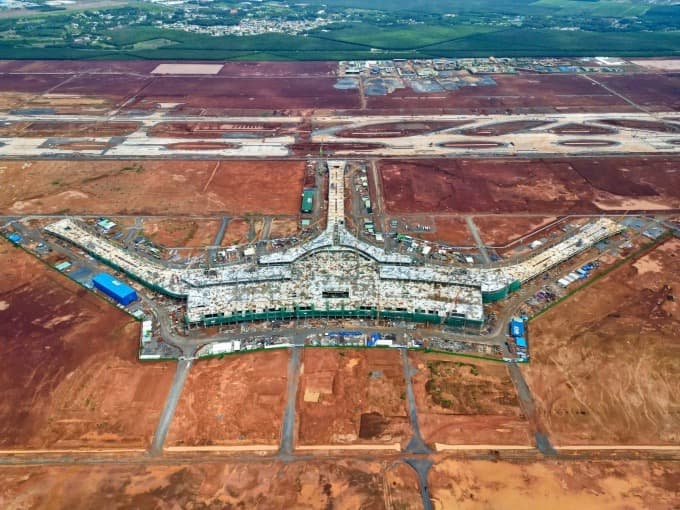
  • Aerial view of Long Thanh International Airport under construction
    Transport · Dong Nai

    Long Thanh is built. Now comes the town around it.

    Vietnam’s biggest airport opens in 2026. The private money will follow the cargo, not the terminal.

    Phase one of Long Thanh International Airport is built to handle 25 million passengers and 1.2 million tonnes of cargo a year, on a project that runs past $16bn across three phases. The state owns and runs the terminal.

    What it means. The opportunity sits outside the fence: warehouses, cold storage, fuel supply, staff housing and the roads that connect them. These are smaller, contracted assets that private owners can build and run, and land near the airport will reprice quickly once flights start.

    >$16bnacross three phasesVietNamNet
    Photo: Stevetruong, CC BY-SA 4.0
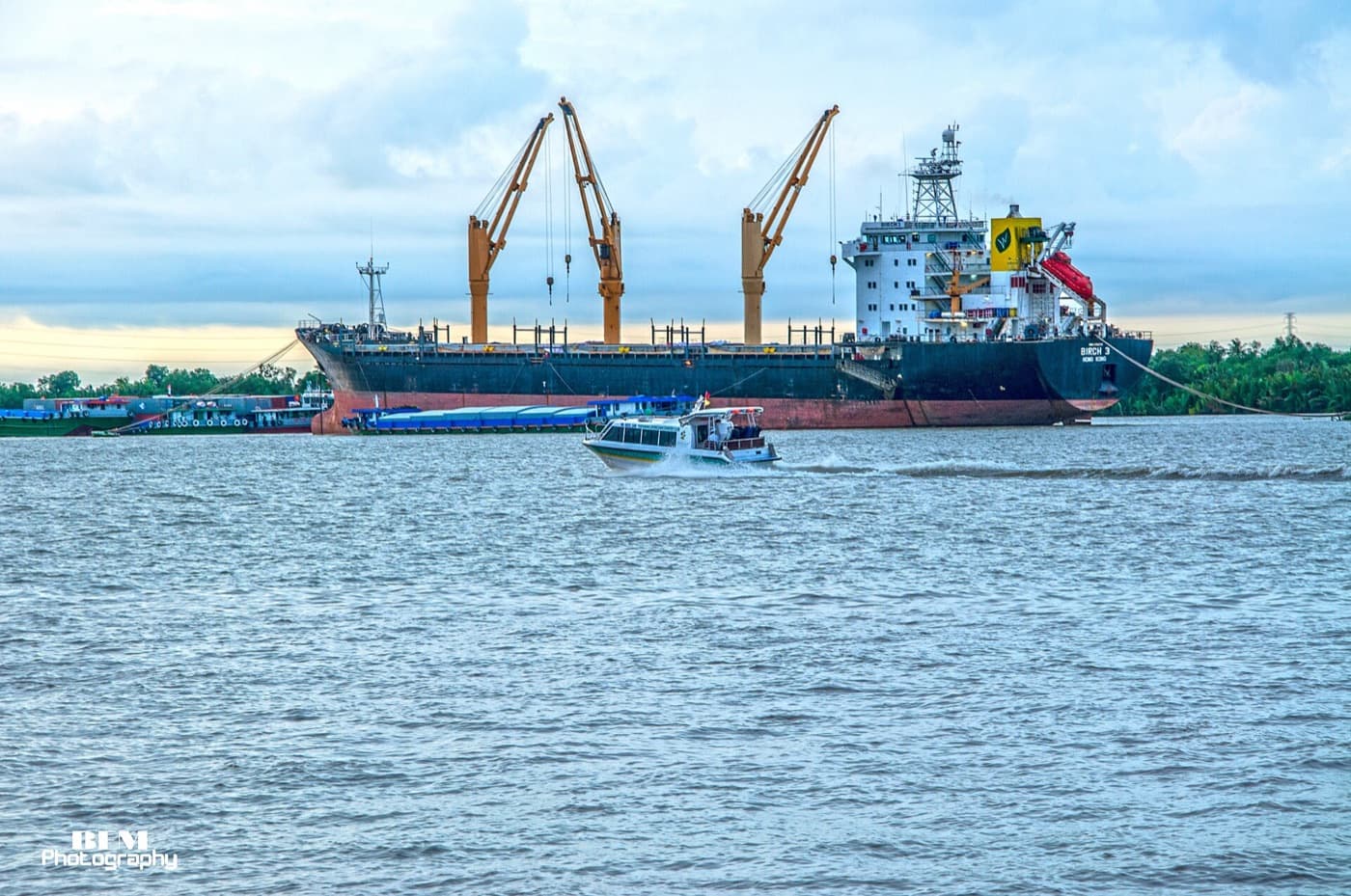
  • Container ship and cranes at Cat Lai port on the Saigon River
    Ports · Ho Chi Minh City

    Can Gio has its investors. It still needs most of the money.

    A $5bn transshipment port won approval in April. The sponsors are putting up 15%.

    VIMC, Saigon Port and MSC’s terminal arm TiL received investor approval for the Can Gio International Transshipment Port, planned for 4.8 million containers a year by 2030. The consortium funds 15% of the cost; the rest has to be raised.

    What it means. That gap is the story. Raising more than $4bn of debt and minority equity for one port will test how far Vietnamese banks can lend long, and how much foreign capital will take on a state-led project. Its outcome will set the template for the large projects behind it.

    $4.95bnestimated total investmentThe Investor
    Photo: Cat Lai port, Ho Chi Minh City. Bem photography, CC BY 2.0
  • Elevated track of Ho Chi Minh City Metro Line 1
    Urban rail · Ho Chi Minh City

    The second metro line is under way. Watch the stations.

    Line 2 broke ground in January, and the land around its stops will change first.

    Metro Line 2 runs 11.3 km from Ben Thanh to Tham Luong, mostly underground, at a cost of about VND 55 trillion ($2.1bn). Construction started in January 2026; service is targeted for around 2030.

    What it means. Rail itself stays public. The private opportunity is in the land around the stations: offices, homes and retail planned together with each stop. Ho Chi Minh City is preparing rules to let developers share in that value, and whoever moves first on station sites will set the prices.

    $2.1bnestimated cost; 11.3 km, mostly undergroundThe Star
    Photo: Metro Line 1, Ho Chi Minh City. Xuanphuocle, CC0
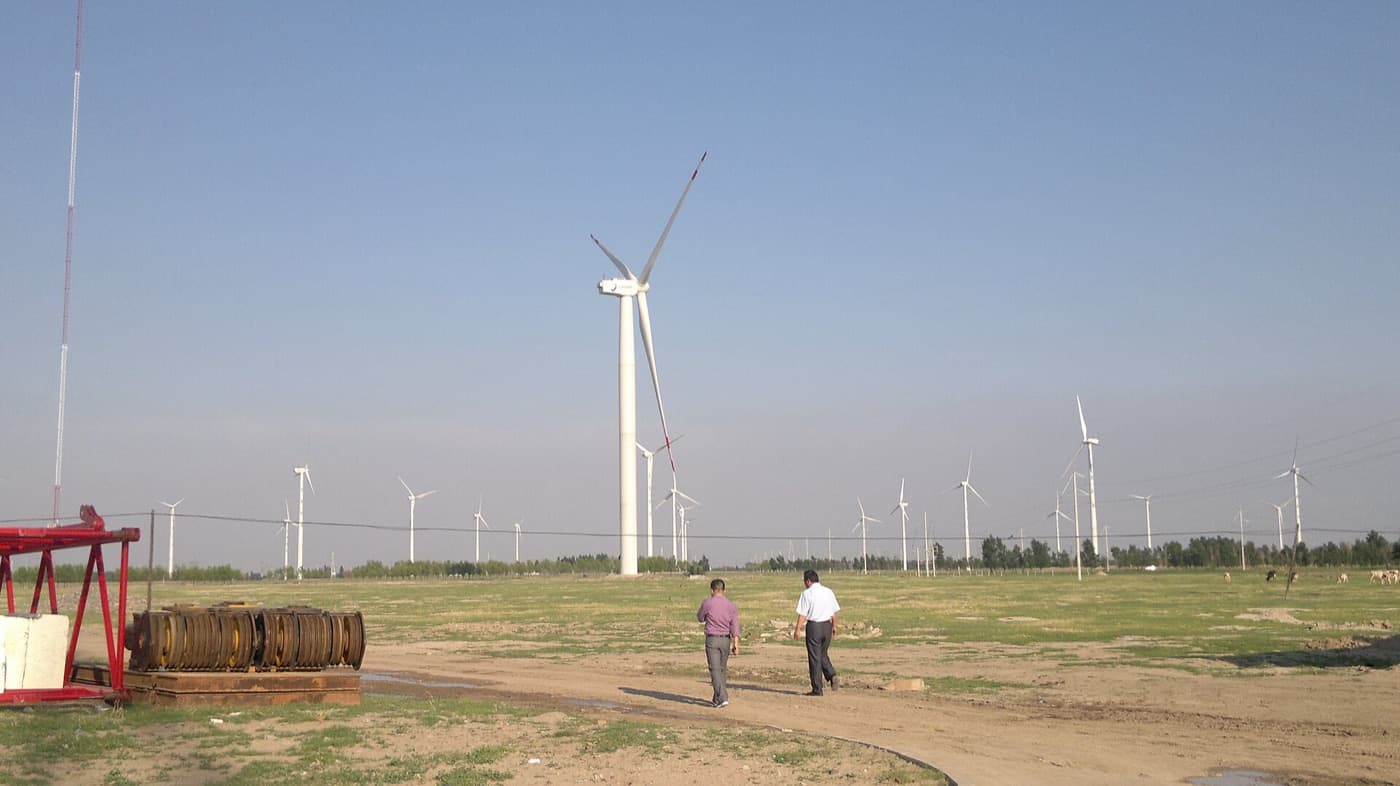
  • Wind turbines on open land
    Power · National grid

    Vietnam starts building batteries. The plan needs fifty times more.

    EVN’s first storage programme is 305 MW. The national plan calls for up to 16,300 MW by 2030.

    State utility EVN has begun its first battery storage programme, starting with a 50 MW / 100 MWh pilot in Hanoi. The revised national power plan targets 10,000 to 16,300 MW of storage by the end of the decade.

    What it means. EVN cannot fund that alone. Most of the storage will have to come from private owners, often built beside solar and wind farms that already sell their power. The rules for how batteries get paid are the missing piece, and investors who understand them early will have the best sites.

    305 MWin EVN’s first programmeVietstock
    Photo: Wind farm. viwicojsc, CC BY-SA 3.0
  • Rows of servers in a data centre
    Data centres · Ho Chi Minh City

    The data centres are coming. Power decides where they go.

    A $2bn campus leads a pipeline expected to reach 600 MW by 2030.

    A data-centre campus backed by G42, FPT and VinaCapital heads a wave of projects aimed at Vietnam. Capacity is expected to grow to nearly 600 MW by 2030, according to industry estimates.

    What it means. Servers are easy to ship; reliable power and clean land title are not. Sites near a strong grid connection, with room to expand, will be scarce and priced that way. The substations and power lines that serve them may prove the steadier investment.

    600 MWexpected by 2030Viet Nam News
    Photo: Illustrative. BalticServers.com, CC BY-SA 3.0
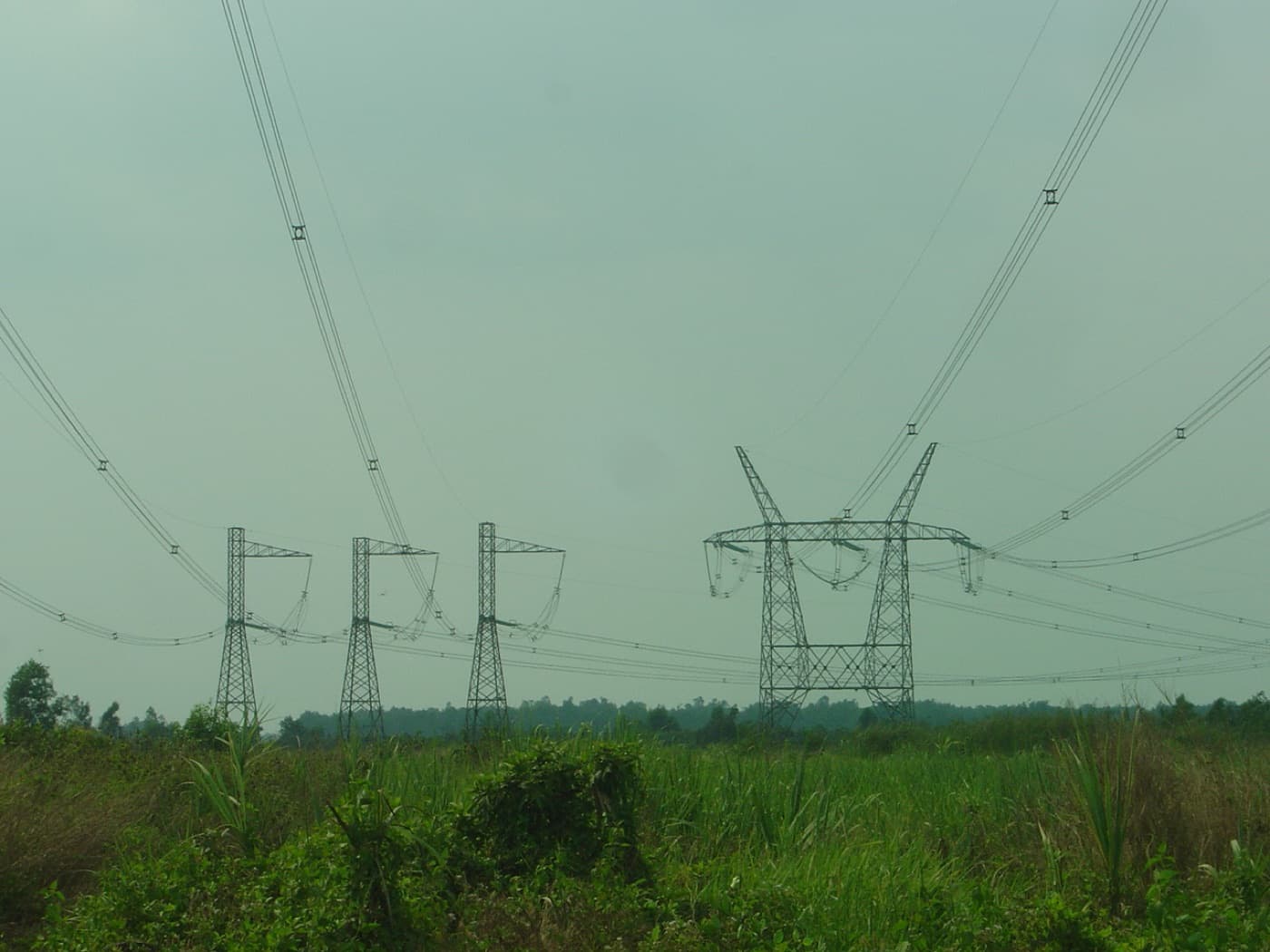
  • 500 kV transmission towers crossing open country
    Grid · Central to north

    The power line built in under a year.

    The 519 km Circuit 3 more than doubled the power the north can draw from the centre.

    The 500 kV Circuit 3 line from Quang Trach to Pho Noi was energised in August 2024, lifting transfer capacity from the central region to the north from about 2,200 MW to 5,000 MW, at a cost of about VND 22.3 trillion.

    What it means. It showed how fast Vietnam can build when the state makes a project a priority. For investors, the lesson is to follow the wires: new generation and industrial demand settle where transmission is secured, and the next priority lines are already named in the national plan.

    5,000 MWtransfer capacityGovernment of Viet Nam
    Photo: 500 kV north–south line. Vietbook, CC BY 3.0

For investors, sponsors and developers

Allocation and Investment Requests

Investors can request an allocation to invest alongside us. If you are raising equity or debt for an infrastructure asset or platform in Vietnam or the region, tell us about it here; the answers help us see quickly whether it fits one of our strategies.

Every request is read by the team. You can also write to NDD@corvusindustries.com.

Your request

Self-assessment

Is revenue contracted or regulated (PPA, concession, lease or tariff decision)?

Are land rights and the main permits secured?

Do you have a financial model you can share under NDA?

By submitting, you agree that Corvus Industries will process your information to respond, as described in our Privacy Policy. Please do not send confidential material until an NDA is in place.

Bring us the asset, the mandate or the question.

Every enquiry is answered personally.

Discuss an investment

Corvus briefings

Analysis of Vietnam’s projects, capital and rules, sent when we publish.

Inquiries

Start a conversation

Tell us what you are working on. We will reply personally to discuss how we can help you invest, enter, or grow in Vietnam.

Email us
NDD@corvusindustries.com
Prefer to talk?
Book a call

By submitting this form, you agree that Corvus Industries will process your personal information to respond to your request, as described in our Privacy Policy.